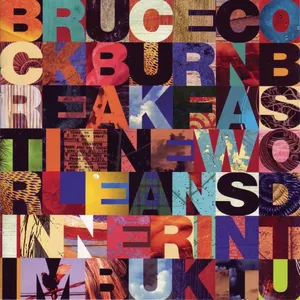
A long time ago in another life I had a girlfriend who exclaimed that Cockburn sounded like a sick cow. Granted, his husky baritone is a far cry from her beloved Rick Astley's perfection, but please... She's history, and I continue to listen to Cockburn's albums, which never resemble the melancholy mewls of moo-moo land. But I can't help but wonder if she'd like this one. Breakfast in New Orleans, Dinner in Timbuktu is Cockburn's most playful album ever. A mature work that slaps up bits of the requisite, insightful political and spiritual commentary alongside more whimsical moments. The album begins, for example, with "When You Give It Away," featuring lines such as:
Slid out of my dreams like a baby out of the nurse's hands
on to the hard floor of day
I'd been wearing O.J.'s gloves and I couldn't get them off
It was too early but I couldn't sleep
Showered and dressed and stepped out into the heat
The parrot things on the porch next door
announced my arrival on Chartres Street
with their finest rendition of squealing brakes...
Along the same lines as this wry bit of contemporary-peppered wit, Cockburn offers a number of other songs with a lighter touch, including a rare cover version of "Blueberry Hill." The second song, "Mango," sweetly dishes up the zesty fruit in a sexually-charged parody of Adam and Eve's temptation in Eden, and "Let the Bad Air Out" takes government excesses to task in a playful, but forceful manner:
Traitors in high places, take my money, tell me lies
Take a walk past parliament, it smells like something died
They ask for trust, but somehow I've got serious doubts
Open up the window, let the bad air out.
Yet, despite the album's more jovial tone, Cockburn also offers his trademark contemplative bits in other songs like "The Embers of Eden," which use the images of the Great Wall of China and scorched rain-forests (the only two visible evidences of mankind from orbit) as metaphors for a troubled relationship.
Cockburn's official twenty-fifth release finds him still experimenting and tinkering with his sound: a unique patchwork quilt of poetic reflections and jazz-infused, finger-picking blues and folk. The tinkly chimes of The Charity of Night are replaced here with world-beat rhythms, but overall the sound is less thick and more straightforward, focusing on loads of impressive guitar playing. Taken as a whole, this album does recall moments of his last one, especially with the spoken word poetic parts, as well as the more introspective work of his seventies material, resulting in a little something for everyone. Only the beautiful instrumental "Deep Lake" seems quietly out of place, dampening the album's momentum.
After twenty-five albums and about thirty years of recording, artists earn the right to do whatever they want. Gratefully, far from being alienated by this work, Cockburn fans are again treated to substantial musical art from an artist who is far from going out to pasture.
5 tocks
Other coverage for this album
The Phantom Tollbooth 1999Reviewed by Jeffrey OverstreetBreakfast in New Orleans, Dinner in Timbuktu finds Bruce Cockburn relying on his strengths and taking a breather from the dark imagery and intense subject matter of 1997's The Charity of Night. This album has a lighter tone, rather like the mix of blues, folk, and rock on Nothing But a Burning Light. Several songs feature spoken-word passages, which he seemed to rediscover on Charity of Night,…Similar sounding releases
 2001Ticklepenny CornerSunday's Best
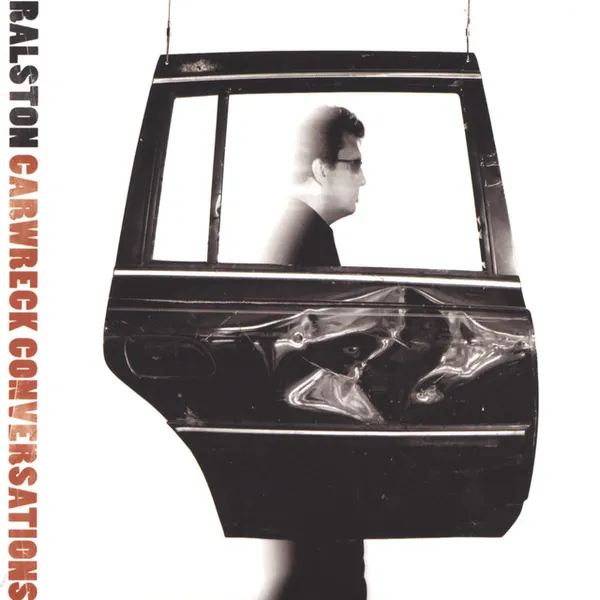 2003RalstonCarwreck Conversations
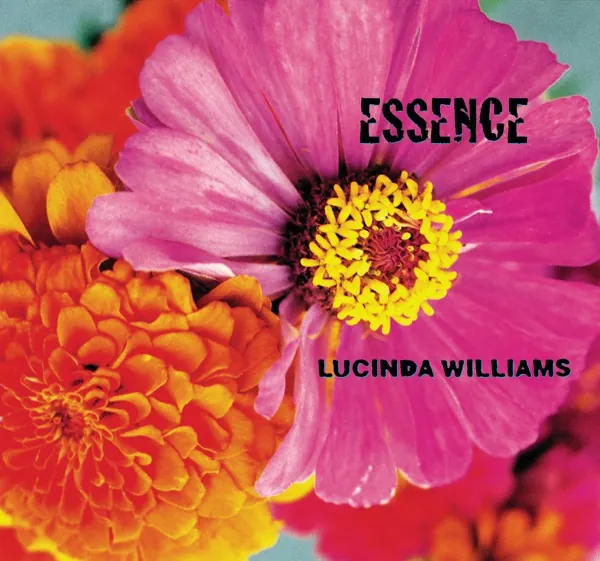 2001Lucinda WilliamsEssence
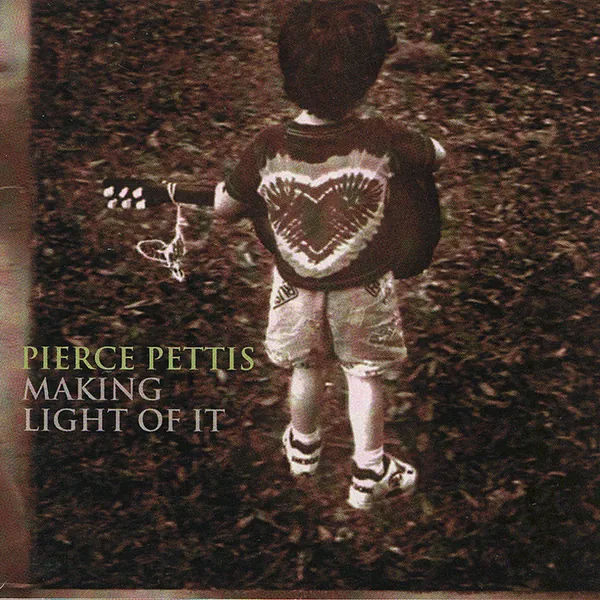 1996Pierce PettisMaking Light of It
 2003Daniel LanoisShine
 2004Justin Rutledge and the Junction FortyNo Never Alone
More from Bruce Cockburn
 1993Christmas
 2003You've Never Seen Everything
 2002Anything Anytime Anywhere
 1997You Pay Your Money and You Take Your Chance
 1996The Charity of Night
 1977Circles in the Stream