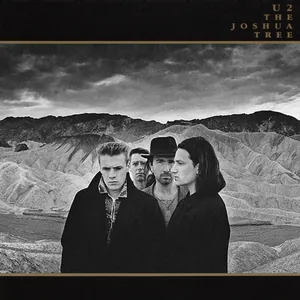
Grandeur. Many pop musicians try to achieve it, but few are successful. Epic rock music is hard to come by these days, and truly inspiring music is a precious commodity.
In the world of rock 'n' roll, the Beatles may be the most influential, and Radiohead may be the most intriguingly abstract, but when it comes to the grandness of the scope of their music, U2's brilliance goes unsurpassed. Many have tried to imitate or improve on the Irish quartet's musical majesty, profoundly complex poetry, and focused vision, but U2 remains the grandest rock band of the past twenty years, and The Joshua Tree is, in this reviewer's opinion, the most intricately beautiful piece of music in the history of rock 'n' roll.
The legendary record starts off with a gentle organ, conjuring images of majestic cathedrals and soaring mountain peaks. The reverent intro is interrupted by the frantic guitar strumming of The Edge, one of rock's most innovative guitar players. A driving beat from drummer Larry Mullen and bassist Adam Clayton, combined with a catchy melody, provide a firm foundation for lead singer Bono, who opens the album with one of many passionate vocal performances. Lyrically, the track finds Bono looking around at the hatred that he sees all around him and longing to escape to a place "Where the Streets Have No Name." As is almost always the case with Bono's lyrics, their strength lies in the fact that they are delightfully vague, making that song applicable to a number of different people and situations.
The second song, "I Still Haven't Found What I'm Looking For," has been called by some the greatest hymn of the past century. Though some take the song to be about Bono renouncing his faith in God, a closer inspection of the lyrics reveals that the singer is actually lamenting over his own haste to give in to desires of the flesh, and expressing his faith in Christ and His sacrifice. Still, though, Bono looks around him and sees a depraved world. The song expresses both tremendous faith in Christ's work and tremendous doubt in this world - no easy task. Despite the fact that Christ saved him, Bono still sees hurt all around him. He still hasn't found what he's looking for, but he has faith that, in time, he will.
The gorgeous first song trilogy concludes with "With or Without You," a song which opens with Larry's drumming and an often-imitated bass riff from Adam. This song, like the rest of the album, creates a sparse, desert-like atmosphere. In the solitude of the wilderness, Bono sings a love song to someone who he is obviously obsessed with. This song could be taken as a song to Bono's fans, but it would make more sense for it to be a song sung from the perspective of Christ. Bono reflects on how much He loves us, despite the fact that we are so eager to break His commands and hurt him. It is this paradox of grace and love that is at the heart of The Joshua Tree.
"Bullet the Blue Sky," is the most rocking song on the album. The punk-influenced song is full of political anger. Though the song may seem a bit out of place on the record at first, it really fits in perfectly. "Bullet the Blue Sky" portrays America as a land of paradoxes - preaching one thing, practicing another. Again, this idea of human frailty is one of the main concepts explored on The Joshua Tree.
Though "Bullet the Blue Sky" is lyrically solid, its true strength lies in the storming performance by the band. No one player steals the spotlight here - Bono's provocative, angry singing, The Edge's fiery guitar, Larry's militant drumming, and Adam's thunderous bass all play crucial parts in making the song work so well on so many levels.
After "Running to Stand Still," a bluesy, piano-driven story about a woman who is addicted to heroin (or any other sin - it's infinitely open to interpretation), comes one of the record's most interesting songs. "Red Hill Mining Town" is a guitar-driven song about love, hope, and redemption - just the usual Joshua Tree themes. This song is followed by "In God's Country," where Bono calls for a revolution - "we need new dreams tonight" -, and a soulful, almost Dylan-esque track called "Trip Through Your Wires." In this song, Bono essentially points to a wolf in sheep's clothing, a seducer disguised as a savior, as the root of the problems presented on the album, but also takes much of the blame onto himself. Instrumental highlights of this song are Larry's drumming (Bono once remarked that rhythm is "the sex of music," a comment which makes a bit more sense after hearing this song) and Bono's harmonica.
The Joshua Tree is a somber album, and thus ends on a somber note. The Edge has called the final three songs "The Death Trilogy," as all three spin basic tales about death, but are each laced with deep symbolism and universal meaning. "One Tree Hill" is a mournful song about Greg Carroll, a close friend of U2 who died before The Joshua Tree was made, and features one of my favorite lyrics on the album - "And when it's raining/ raining hard/ That's when the rain will/ break my heart." Adam's quirky, angry bass guitar builds up at the beginning of "Exit," and Bono suddenly butts in to give a brief account of a religious zealot turned serial killer. After a raging guitar solo by The Edge, the song fades out as quickly as it faded in.
"Mothers of the Disappeared" is essentially a lament. On the outside, it may appear to be a simple song about children kidnapped by the government in South America, but the lyrics reveal some subtle symbolism that coincides ingeniously with the rest of the album. The Joshua Tree ends with some of the same themes it started out with, though - God's grace, our own imperfection, escapism, and redemption.
Starting with their next album, Rattle and Hum, U2 started playing around with character acting, sarcasm, and music that was not the real U2. They did not give us a good glimpse at the real U2, in fact, until 2000's All That You Can't Leave Behind. Thankfully, though, The Joshua Tree shows us the real U2 - one poet and three innovative, skilled musicians. I don't know if I have ever heard a perfect album before, but The Joshua Tree is the closest I have come.
Josh's Score: 5/5
Nathan's Score: 4/5
Amber's Score: 5/5
Similar sounding releases
 1994Curious FoolsCurious Fools
 1990The ChoirCircle Slide
 200016 HorsepowerSecret South
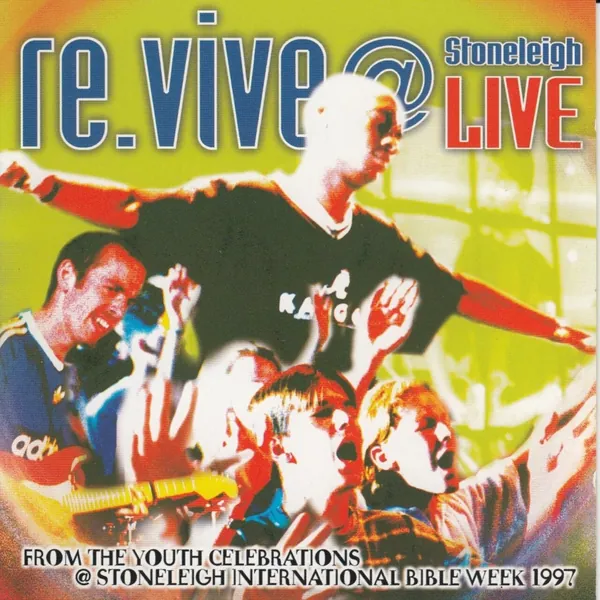 1998re.vive Worship Bandre.vive98@Stoneleigh
 1996Sam PhillipsOmnipop (It's Only A Flesh Wound Lambchop)
 1999Adam AgainWorldwide Favourites
More from U2
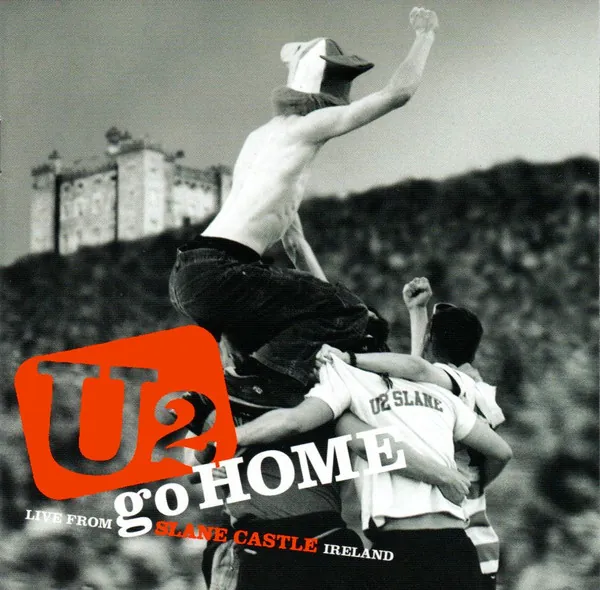 2003U2 Go Home: Live from Slane Castle, Ireland (Video)
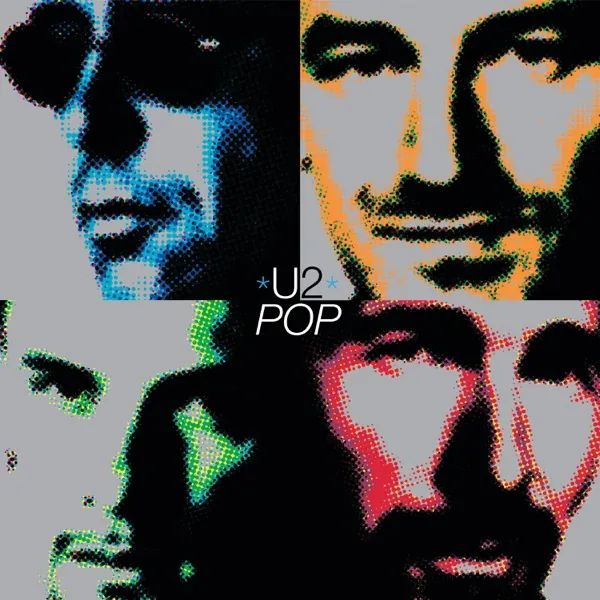 1997Pop
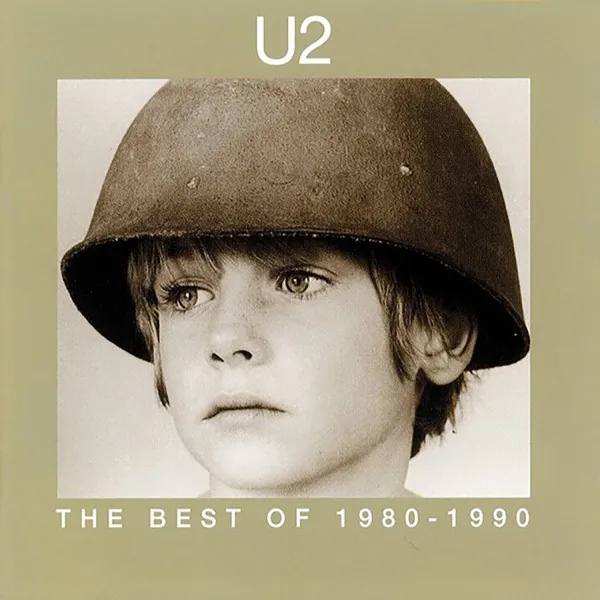 1998The Best of 1980-1990
 20027
20027 1983War
 2001Elevation: Live from Boston (Video)