Nineteenth-century writer and clergyman Henry Ward Beecher once said, "Every artist dips his brush in his own soul and paints his own nature into his pictures." The same may be said for musicians, for all artists seem to be driven by the same surging need to express something locked within.
Phil Keaggy is no exception.
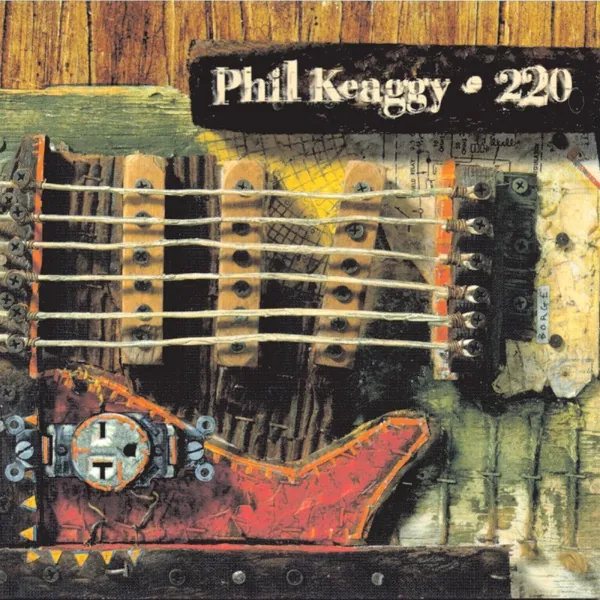
Keaggy's latest release, 220, is his first electric instrumental album in ten years and can be likened to a musical self-portrait. Simply put, the album is Phil Keaggy. Despite the lack of lyrics, it's almost as if Keaggy is saying with this album, "This is who I am. This is what I do." What Keaggy is, is a world-class guitarist, who in 1995 was voted by Guitar Player Magazine readers as the #2 Best Acoustic Fingerstyle Guitarist. What Keaggy does on this album is play his guitars with the skill of a master.
220 derives its name from the amount of voltage that surges through most things electric. Perhaps Keaggy's own inner pulsating energy is what has driven him to create an album of such diverse musical styles. 220 includes almost every type of music: pop, rock, blues, classical, country, folk, and even Celtic. Yet, there is something distinctly Southern about the entire project. Perhaps the smooth, relaxed rhythm of each song is responsible for the album's overall Southern flavor.
What makes this album unique is Keaggy's layering of guitars in each song. Also, while the album is finely crafted, it also has a raw edge to it. Producer Bill Deaton was able to incorporate recordings from Keaggy's home studio in the final project. Keaggy was joined on this project by several renowned studio musicians such as keyboardist Patrick Leonard (Michael W. Smith), drummer Lynn Williams (Lee Roy Parnell), and bassist Spencer Campbell (Sheryl Crow).
Most songs on this album have a late 60's or early 70's feel, especially the songs, "Animal," "Stomp," and "Arrow." I often find myself humming the melody of the album's only acoustic song, "Tennessee Morning," yet I'm still startled every time I hear "Highland," complete with its Scottish warpipes and tin whistle. A Celtic folk song on an over-all Southern rock album? Go figure. But I like it.
Keaggy fans and those who have an appreciation for classical rock won't be disappointed with this album. However, listeners who try to evaluate this album as a contemporary Christian music project may have trouble doing so. Entirely instrumental, this album can't be defined as typical praise and worship music. That's not to say it isn't spiritual. I prefer to look at this album aesthetically as "guitar art on disc." However, 220 was not meant to be analyzed. It was meant to be enjoyed. Keaggy himself calls the project "a guitar album with a smile on its face."
And it is.
Other coverage for this album
The Phantom Tollbooth 1997Reviewed by Shari LloydKeaggy has the perfect setting for St. Francis of Assisi's charge, quoted in the liner notes, "Go out and preach the gospel . . . and if you must, use words." Not being a Phil Keaggy fan, I wasn't planning on buying this CD. Yes, I've heard all the hype, and I know he's purported to be the premier Christian guitarist; but that's never convinced me to shell out money for any of his albums. Too…Similar sounding releases
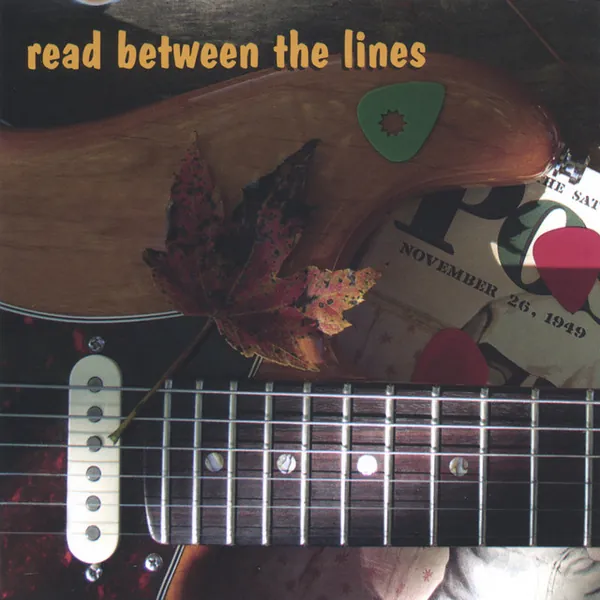 2003Charlie ReadRead Between the Lines
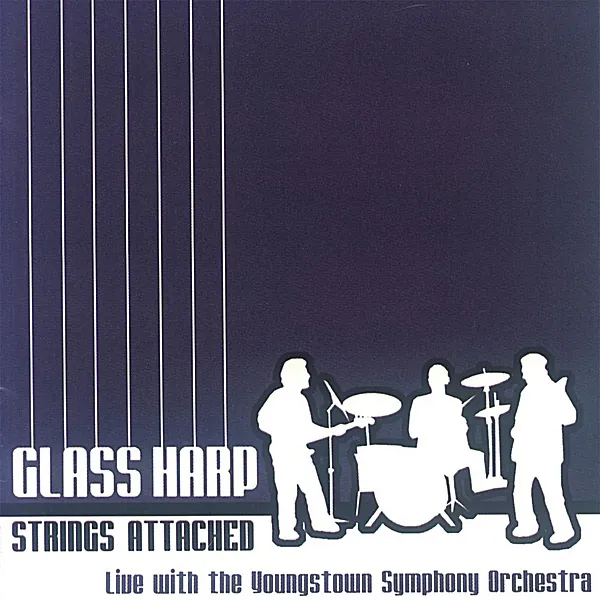 2001Glass HarpStrings Attached
 2001Mark ProtusThe Future That Used To Be
 2000Mike Keneally and Beer for DolphinsDancing
 199716 HorsepowerLow Estate
 2001Russ Rosen BandOil
More from Phil Keaggy
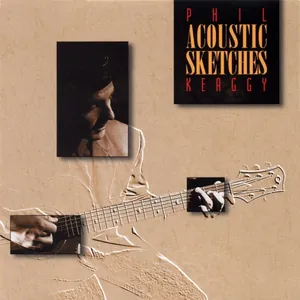 1996Acoustic Sketches
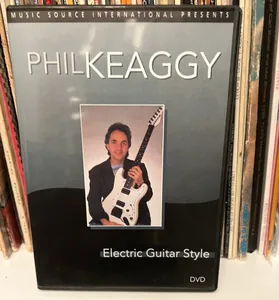 1988Electric Guitar Style (Video)
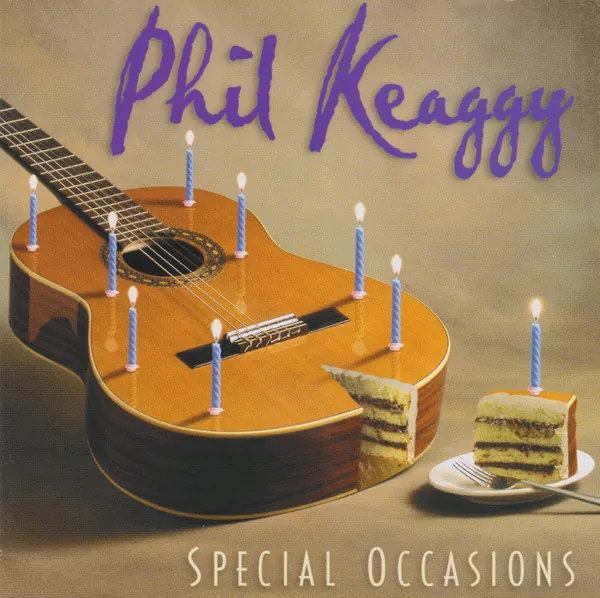 2003Special Occasions
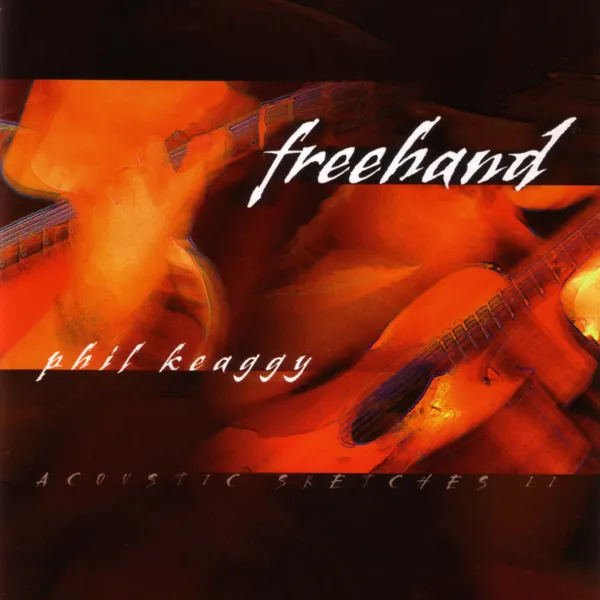 2003Freehand
 2000Lights of Madrid
 1995Time 2