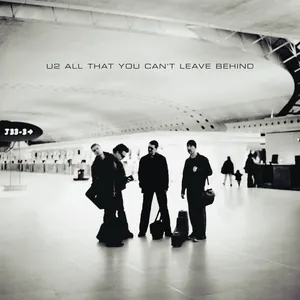
This is a band that does everything that it can to avoid baggage. That is their most amazing trait -- their ability to resist the musical labels, the spiritual and moralistic projections, and the historical categories we try to hang on them. It leaves us all disoriented, though, often wondering where the band is coming from, with their music and in their message.
U2 started as a Bible study in a poor rural part of Ireland. Three of them were part of a small scriptural fellowship, and then a fourth member, a non-believer who played bass, brought the necessary streak of doubt any mission for God needs when it has to succeed.
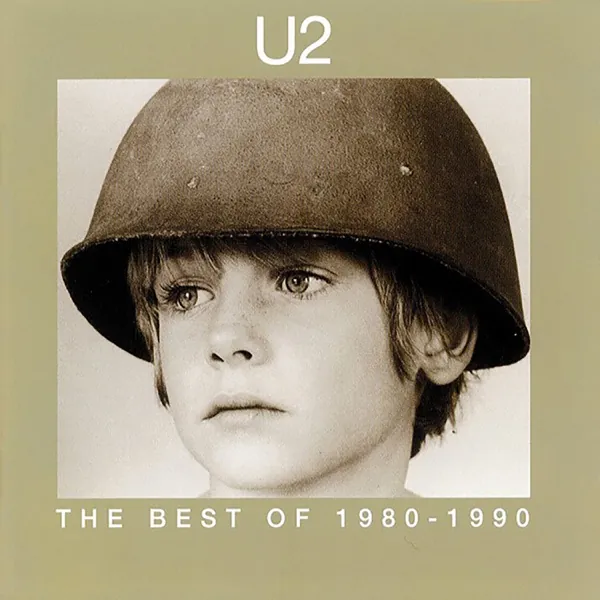
I remember U2 on the Boy tour, for their very first album. A concert where they ran out of material but the crowd loved them so much they played their entire debut album over again, with a b-side for a chorus between sets. There were no gold suits -- it was sweat-encrusted t-shirts and black Levis that looked a little dirty. I remember hearing the crisp licks they stole from other, more icy, English wave bands, the dubby musical phrasings they copped from the post-punk crowd, and wondered where all of the Christian imagery was coming from. It was pretty obvious to those of us in the new music underground, even before they started doing interviews. This cord of awkward hope tense and taut beneath the fence of modern rock ambiguity seemed unsettling and begged for explanation.
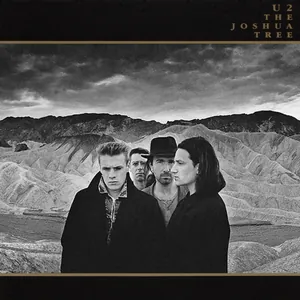
The years since then have been a blur for us both, with very little explanations from anyone. I spent a bitterly cold winter in a Spokane basement listening to War almost every day, working for a political group to hold the American government accountable for their actions in Central America. Joshua Tree came out just when I was discovering other Christian music that didn't seem stupid, apolitical, or hopelessly obvious and conformist, and it worked. It started changing my mind about what God could mean.
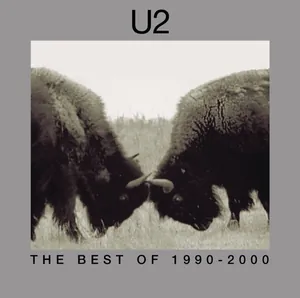
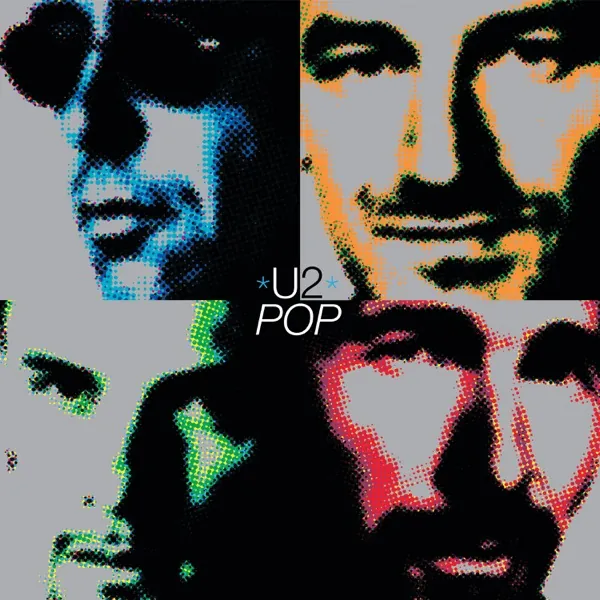
U2 has passed through their three-album self-mockery period (the 90s), an artful submission to the technocratic future-now pop imperative, and while some claim that was some of their best work, us old-timers were a little wary of the make-up and burbling synth experiments. It's sort of what Joe Carducci talked about in his Henry Rollins-financed book Rock & the Pop Narcotic, and I'll apply his primary assertion to this band: There is a 'pop' aesthetic, which means entering the world and reflecting it, trying to adapt, while mutating reality from within. The pop approach can be subversive. But the rock approach is radical -- it attacks the world from outside, and that was the U2 we had grown up with -- the committed, passionate, Jesus-loving political rockers storming the 'bastilles' in the name of peace and mercy. (Note: the album-title Pop, on their previous record.)
On "All That You Can't Leave Behind" I hear a band moving in an entirely new direction again. This is soul music: On the surface, it's more R&B-based, with more traditional sweeping grand gestures than the band has released since Joshua Tree. ("Walk On" is gorgeous gospel-pop, and will be inspiring lesser lights in the CCM world for many years to come; "In A Little While" is a delightful Al Green grinder with Bono's best vocals ever.) Deeper still, the lyrics show a band more concerned with the things of God than the trappings of this world, which they successfully mocked on the past few releases.
I'm still not sure if this is a 'rock' album; I do know that for the first time since Joshua Tree, I actually don't care. I mean, there are rocking passages -- "Kite," "New York" -- that are beautiful and brutal, always U2's most favored combination. But this is another slick album, at first sounding like it was recorded in heavy gauze, as most digitally recorded albums by wealthy pop stars sound these days. After several listens, though, the message of the lyrics -- live in this moment, but don't evade the eternal; you can't get the sweetness without the suffering and occasional lack of meaning in this world -- came through to me, and the songs on the album unfolded, reaching out like a delicate, but somehow invincible flower, strong in its weaknesses, full of joyful promises for the spring.
Other coverage for this album
The Rebel Base 2001Reviewed by Josh HurstBono, The Edge, Larry Mullen, and Adam Clayton, collectively known as U2, are true survivors. After almost a quarter century of being in the self-proclaimed greatest rock band in the world and numerous best-selling albums and tours, not to mention Grammy Awards, some listeners may wonder why they haven't given up yet. It looks like it would be a good time for U2 to retire, right? Wrong. They've…ReAL Magazine 2000Reviewed by Timothy Paul YenterIt's a dangerous world U2 lives in--a world of new possibilities and tragic endings, a world of naïve dreams and shattered realities. It's a brutal world faced with brutal honesty. All That You Can't Leave Behind is a collection of snapshots of pain and love and beauty and death, juxtaposed beside one another in a scrapbook of humanity. With broad, passionate strokes they paint themes throughout…The Phantom Tollbooth 2000Reviewed by Jeffrey OverstreetU2 Rediscover Their Strengths, Renew Timeless Psalms U2 have become the torch-bearers for David the Psalmist. They careen from faith to doubt to faith again, sometimes all in the same song. No matter how strong their belief, "peace on earth" still eludes them. In 1986, Bono crooned their banner cry: "I still haven't found what I'm looking for." Their journey stretches back more than twenty years…The Phantom Tollbooth 2000Reviewed by Steve StockmanThere was that moment during the Pop Mart Tour when Bono raised his hands in gesture to the huge glitzy over the top staging that he was standing on and said that he was "looking for the baby Jesus underneath all this trash". That in essence was the point of the entire 90's decade for U2. After the stadium anthems and serious sloganeering of the 80's they took another angle. Dreamed it up all…Similar sounding releases
 2000Matt RedmanThe Father's Song
 1999BooleyBathroom Floor
 1999Tim Hughes / Martyn LayzellReward
 2000The Grapes of WrathField Trip
 2004MarillionMarbles
 1999SupergrassSupergrass