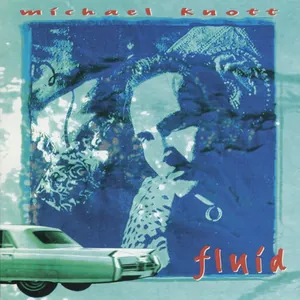
For more than a decade, Michael Knott's music has both celebrated the sweet joy of salvation and cried the mournful yawl of longing in its absence. His observations have been both bumper-sticker simple and deeply profound. He has freely explored his own humanity through his music, even when that meant wrestling with his own angels and demons in the limelight. Many of Knott's fans took his struggles for their own, grateful there was an artist out there who felt the same way they did, freely admitting that Christians still struggle with things like sexual temptation, drug and alcohol addiction, self-worth, spiritual identity, religious alienation and church authority. Fans also latched onto Knott's rebellious rock-star persona: Reportedly, he once socked a critic over a negative review; on another occasion, he cursed out a record executive for supposedly cheating a friend in a publishing deal. On the other hand, Knott also gave many artists on his Blonde Vinyl record label a job in the office to keep them working in music. Knott also tried to make LSU concert visually compelling: He sometimes came out on stage wearing a giant Cookie Monster mask, or he'd smear himself head-to-toe with grease paint or wrap himself up in duct tape and make a dramatic Houdini-like escape. Mostly, though, he attracted fans by singing about things no one else would touch--with music that few could match. With the release of Fluid, Michael Knott's career in Christian music comes to an end. With failure of Blonde Vinyl in 1993, Knott transmuted his band LSU into The Aunt Betty's, and began his quest to make his living in the general market. Fluid ends Knott's Christian cycle on an up note, without forsaking the darker elements of his past best work. The record tells the story of Jenny May, the day she crashed her ex-boyfriend's classic Cadillac Fleetwood to get back at him for dumping her (reportedly a true story). The album chronicles her journey to faith while lying in a coma near death, while the Devil tries to claim her soul. Knott manages a happy ending without resorting to pat answers or cheap sensationalism; think of it as Dante's Inferno as a rock opera or Milton's Paradise Lost with a '64 Caddie standing in for the apple as the metaphor for sin. In the future, it's entirely possible Knott will be remembered exclusively for the Aunt Betty's, and that his 14 previous albums will continue to be ignored by the general public. The fortunate ones are those who've heard it all: Knott's mainstream work makes better sense in context with his Christian releases; after all, Jenny May could easily be a member of the Rogues Gallery found on The Aunt Betty's. For Christian rock fans, Knott was an important artist who grappled honestly and insightfully with the tough questions of faith. Fluid remains a fine example of rock music that speaks--no, screams--to the body, mind and soul.