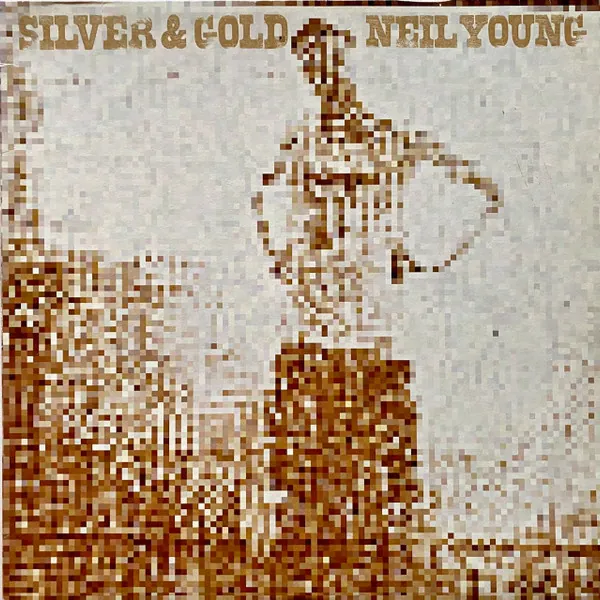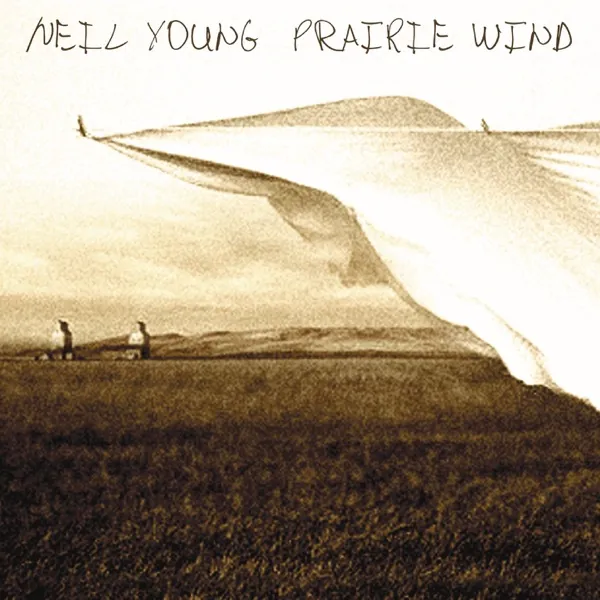
Though Paul McCartney brought in Radiohead producer Nigel Godrich to give some quirk to his new album Chaos and Creation in the Backyard and The Rolling Stones' A Bigger Bang is their best album in twenty years, it is Neil Young who wins the best "over-sixty from the 'sixties" to release an album in early autumn. Young's album Prairie Wind is being likened to his 'seventies classic Harvest and early 'nineties Harvest Moon. It is a lazy marketing ploy as they could just as easily have name-checked Comes a Time, American Stars 'N' Bars or Silver and Gold. It means that this is rustic Neil with pedal steel instead of cranked up guitar. It is the ballad that dominates with Young's voice all tremulous and frail. Augmented with strings, brass and gospel singers in various places, it is a suite of songs reminiscing and reflecting on how his life intersects with the politics of relationships and politics in general.
That intersection sees him deal with the death of his father, his children leaving home, as well as war in Iraq and the changing ecology of his old prairie home. The tribute to his guitar, "This Old Guitar," is an awareness of the transitory nature of living and finding something that has been an anchor but which Young realizes he will have to leave behind. "He Was the King" guides us through memories of Elvis Presley and how in the end we are all just that -- memories! "It's a Dream" is about more memories of father, wife and children in the light of fearful world events and everyday family crisis of age and death and moving on.
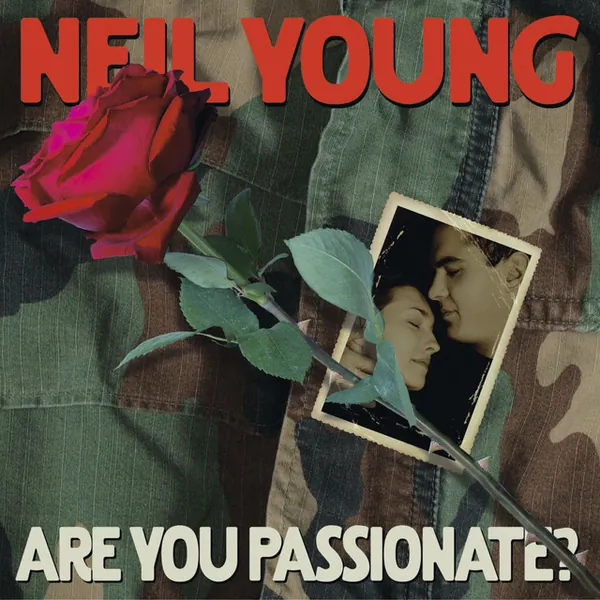
Of the standout tracks, "No Wonder" is an "After the Gold Rush" for the third millennium, one of the best and most prophetically poignant songs Young has written in a while. The differing scientific views of earth as organic and mechanical collide in its disturbing images of the birdless Canadian skies with the clock ticking ominously and the church bells ringing out doomsday; while soldiers fall, lovers look towards heaven for guidance. The spiritual theme and the war clash again on the album's final cut "When God Made Me." Long gone is the gung ho of "Let's Roll" off his 2002 album Are You Passionate?, when he was going to take up guns against America's enemies. In this hymn of lamentation, with moving gospel singing, Young is asking if God is only for some and against others depending on country, race or creed. He asks if God envisioned wars fought in his name. It shows how rock music and maybe the world in general, so sympathetic to America's tragedy on 9/11, are now angry with the arrogance of Washington's response. Indeed, in the aforementioned "No Wonder" he says that Willie Nelson's version of "America the Beautiful," sung around 9/11, keeps ringing in his head.
The death of a loved one can jolt the heart, mind and soul into some reconsiderations and this album in the midst of its raw sadness throws out a clarity of perspective and throws it out beautifully.
Other coverage for this album
The Phantom Tollbooth 2005Reviewed by Dr. Bruce L. ThiessenA lot of water has passed under the bridge for Neil Young since 2002, when Neil Young blessed us with Are You Passionate? Some of the waters that have passed have been choppy, and rough, but the bridge of Young's spirit, has remained strong. Some of the waters have been filled with streams of sadness. Among the most noteworthy of a series of trials Young has had to endure are the passing of his…