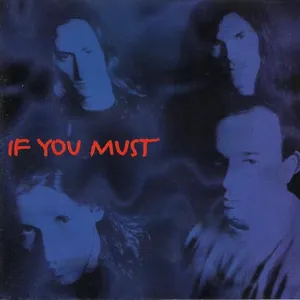
I don't know how an artist who releases a mind-blowing debut album can release a follow-up that is better than its predecessor... After about 30 listens to If You Must, I still like Southpaw better. It wasn't an easy decision to make, however, for this album has plenty to like about it. For one, PD hasn't decided to rest on its laurels and stay in a comfortable crunchy groove. These progressive boys have instead pursued a course of new direction and sounds. Shades of hardcore intensity rear its head here, as well as some mood altering songs that travel through a melodic landscape of soft, contemplative picking accompanied by subdued singing that segues into some grunge-like loud riffing. Of course, there's also the usual progressive crunch jamming these guys are known for; and Christopher Scott's vocals are as rich and strong as ever.
"You Can't Break Me," like its name implies, starts off the record with all the power and conviction of a Biohazard or Crucified -- which really comes off in the group chanted chorus lines. The verse sections each begin with a classic Galactic Cowboys - like groove crunch. The lyrics take a powerful approach to the argument that there are no absolutes. Both the music and lyrics compliment each other perfectly for a knockout punch.
The crunch that has been spoken of so much comes from Mr. David Bishop, one of the only 90's guitarists who still plays a flying-V. Of course, his crunch is supported by the tight synchronization between drummer Roger Sampson and bassist Andy Koehler. These guys are impressive. They've done what's called "rehearse." The guitar tones vary all over the album and always shine brightly, whether it's complimenting Chris' voice on the melodic lines of "You're Gone, I'm Here," or bringing it on home with the boys in the title track.
The oddity on this album is the science babble track "Oscillating Fullwave Bridge Rectifiers," which just has to be Bishop and Koehler going after each other in a game of engineering one-upmanship or something. Maybe it's Dust-Buster wars?
Lyrically, the song "E" is a bit odd. It's an homage to the "E," which could be anything from electricity to the open E-chord on the air guitar, or maybe it's even idol worship of Elvin Hayes, the former Washington Bullets basketball star (affectionately called "The Big E"). This will have to be the first question asked in the next interview.
One of the standout moments comes in the gripping "All Over Now," which starts off with an ebbing guitar pick as the singer laments hurt and the pain of the price of sin. The song goes over the top with the middle section/chorus, which proclaims, "It's all over now!" As in its debut album, the band has shied away from the typical and obvious musical and lyrical direction taken by their peers. This album is original and powerful -- "powerfully original," if you must. Because of its uniqueness, it requires attention, lots of it. After 30 listens, I'm still just beginning to figure it out. While these death boys may be a little too progressive for their own good, they're not so self-indulgent to forget that their audience is listening. I'd give it an 85, but I wouldn't want to dance to it.