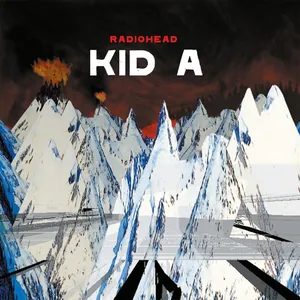
"[Kid A] is dedicated to the first human clone. I bet it has already happened."
-Thom Yorke
October 3rd marked the North American release of what is inarguably one of the most anticipated albums of the last three years, Radiohead's fourth album, Kid A.
Kid A makes an almost antithetical departure from the clever guitar-driven rock that characterized the Radiohead of the early to mid 90's as seen in their first two full-lengths, 92's Pablo Honey, and 95's The Bends. Nor is Kid A a logical follow-up to 97's stellar OK Computer, an album remembered for satirically defining modern life during the concluding decade of the 20th Century. OK Computer revealed a Radiohead intent on experimenting with unsettling, spirit numbing background effects and keyboards, while much of the focus still seemed to be centered on Yorke's clean, audible vocals, finely crafted rock songs, eerie songs like "Exit Music (For a Film)" and "Karma Police," and sweeping melodic songs, such as "Let Down" and "No Surprises."
Kid A begins with the song "Everything in its Right Place" which starts off with a slow, looped keyboard to which, among other creepy effects, Yorke's spiraled and layered vocals are added.
The next song, the title track, is much the same, and is initialized by music box sounds, followed by a keyboard and droning beat. Yorke's voice enters and because of the muffled and warped effects is almost unintelligible.
"The National Anthem" continues with the same ambience and barrage of warped, cacophonic effects, and it isn't 'til the fourth track, "How to Disappear Completely," that a guitar actually appears. This song, harkening back to the Radiohead of old, is peaceful and languid, with Yorke's introspectively aching voice singing such lines as "I'm not here / This isn't happening / I'm not here, I'm not here" and is reminiscent of older songs such as "The Tourist," "Bulletproof...I Wish I Was," and "Street Spirit (Fade Out)."
The track following, ironically titled "Optimistic," is also similar to the band's former musical stylings, and is followed by a slow, atmospheric, hauntingly beautiful instrumental called "Treefingers" which clocks in at just under four minutes.
The aptly titled "In Limbo" is stunning with its wayfaring guitars and keyboards that circumambulate, creating the ideal oceanic atmosphere for the lyrics "I'm lost at sea / Don't bother me / I've lost my way," before thinning out and evaporating into thin air.
The following track "Idioteque" is completely electronic in its instrumentation, a format that the band has not used before. Yorke's vocals are once again overlapped and layered, and are sung in a trance-like manner giving the listener the impression that he is attempting to convince himself of the reality of his words, not the listener. Among the lines that he sings over and over are "We're not scaremongering / This is really happening, happening."
The second to last song "Morning Bell" has precise drums, mellow keyboards, Yorke's ever-so-slightly muffled voice, which toward the end of the song is under-layed by the spoken words "walking walking walking walking" emitting the impression that after claustrophobically surveying the house, has resigned himself to the necessity of escape and is neurotically intent on pursuing it.
The tenth and final track, "Motion Picture Soundtrack," was originally intended to be included on OK Computer but did not make the final cut. This melancholy, fragily jaded song includes harp sounds, quiet tranquil horns, and a choir in the background which provides for an incredible aesthetic beauty doing much to solemnize the mood. The song ends with the lyrics "I think you're crazy, maybe / I think you're crazy, maybe / I'll see you in the afterlife," concluding the album on a hopeful note, something that Radiohead did not do on their other albums.
While Kid A is not as accessible and listener friendly as Radiohead's previous projects have been, it is nonetheless brilliant, and certainly meeting expectations. For those who prefer Radiohead's older, more melodic brand of rock, the band is currently recording a fifth album composed of songs thought to be more conducive to radio, which is tentatively set for an early 2001 release. Listeners of this mind frame would do well to check out Bjork's new album, Selmasongs, a soundtrack to her soon to be released movie, Dancer in the Dark, on which Bjork and Thom Yorke sing a breath taking duet entitled "I've Seen it All," which could easily be one of the best songs recorded this year.
The initial pressings of Kid A, aside from the lengthy twenty-four paged liner notes, include a hidden booklet behind the tray of the CD case. Also released was the collector's edition -- a larger hard book copy with different artwork.
In both editions Stanley Donwood fills pages upon pages with his computerized signature style of art. Since Radiohead's second album, 95's The Bends, Donwood has been in charge of designing the band's album artwork, apparel, stage design, posters, and is the creative genius responsible for the graphics and short stories scattered across Radiohead's unique enigmatic website. While Donwood's art can be classified as postmodern pop art, it departs from the pop art that characterized the 60's and early 70's because, instead of being "inspired" from and based on corporate mass advertising campaigns, such as Warhol's soup cans and Coke bottles were, Donwood's art is originally intended for massive advertising campaigns and product packaging. His art also, in its abstract barrage of eclectic images and propagandistic words, satires what is considered to be the prescribed form of "the good life," showing it to be materialistic, ultimately empty, and devoid of purpose and meaning, and also coincides with the themes that characterize Radiohead's albums, namely that of a prevalent mindless consumerism, a nihilistically resigned, disillusioned view of modern life shadowed by the imminent apocalypse, and also strikes a chord with its viewers by emitting a disembodied feeling of urgency, while remaining familiar yet faceless, thus implicating all of us.
Had Stanley Donwood saw fit to express his artistic visions through a medium such as video, instead of print, the enthralling, atmospheric Kid A could easily have provided for a thematic movie comparable to Pink Floyd's The Wall. Kid A is definitely a milestone in modern music, furthering the emerging instrumental paradigm that doesn't always necessitate the fundamental role of guitars, the complexities and implications of which will further be grasped only in the years to come.
Other coverage for this album
ReAL Magazine 2000Reviewed by David O.Modern music is suffering these days. Living in this hip, technological age is hindering the quality of music currently being made. Instead of writing letters, we write emails, and we don't try as hard as we should to articulate what we're trying to communicate. Modern rock has been greatly affected by the fast paced, convenient world in which it exists. Listen to the radio for ten minutes and…The Phantom Tollbooth 2000Reviewed by Michial FarmerKid A, the much anticipated new Radiohead record, is either going to be remembered as the album that changed rock music forever, or as a pretentious, overhyped goat of a record on which the band destroyed themselves. Either way, I think, the band will accomplish its goal. Radiohead has never been known for just accepting pop culture norms (look at the way "1984" collided with "Zooropa" on 1997's…The Phantom Tollbooth 2000Reviewed by Steve StockmanRadiohead have without doubt released the most talked about album in many a long year. Everyone has an opinion and it is mostly that everybody is confused. On first listen, most people say "crap" apart from those who have decided that they are going to say the emperor's clothes are lovely, to be trendy and cool. It is on the second and third listen that the confusion kicks in. A few listens in…The Phantom Tollbooth 2000Reviewed by Jeffrey OverstreetRadiohead's Sonic Storm of Sound and Fury In the year 2000, one might expect to hear music that fuses all the strengths of the last decade into timeless, landmark music. You'll find such solid, traditional, yet bold songwriting on the new U2 album, or in the timeless echoes of Emmylou Harris's Red Dirt Girl, in the wise sentiments of Paul Simon as he gets older, or the surprising optimism and…Opus 2000Reviewed by Pearson GreerRadiohead certainly doesn't need people like me to suddenly start deciding that it's OK to like them. No, there's nary a shortage of people who will always use their lyrics as signature files on their email, and no shortage of people who will run to The Bends or OK Computer when they get dumped, none whatsoever. Read those people's reviews if you want either a longtime fan's impassioned joy at…Similar sounding releases
 1999Sigur RósÁgætis Byrjun
 2004Bark PsychosisCodename: Dustsucker
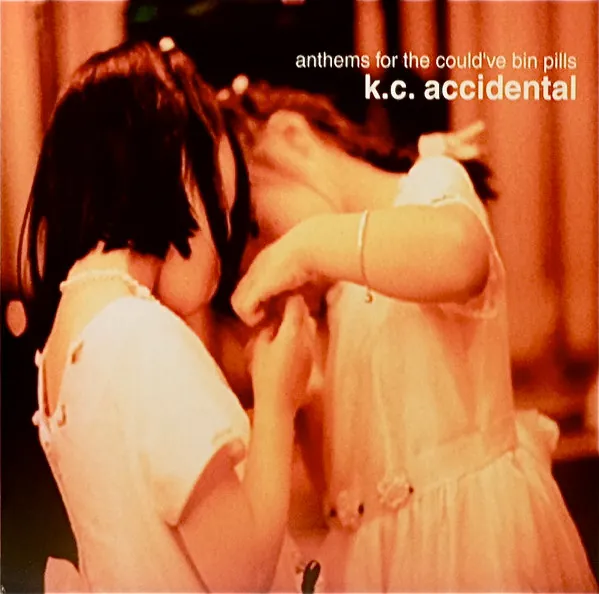 2000K.C. AccidentalAnthems for the Could've Bin Pills
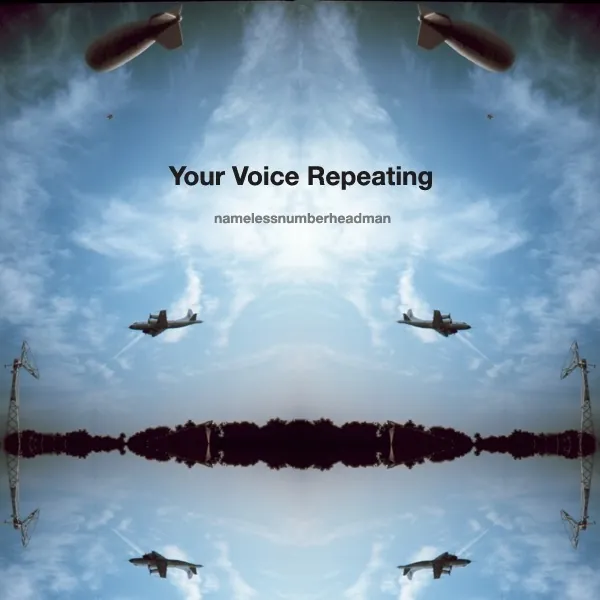 2003NamelessnumberheadmanYour Voice Repeating
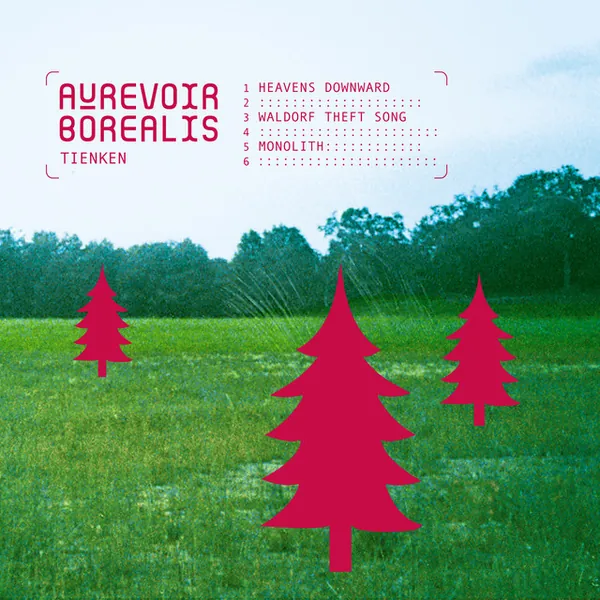 2001Au Revoir BorealisTienken
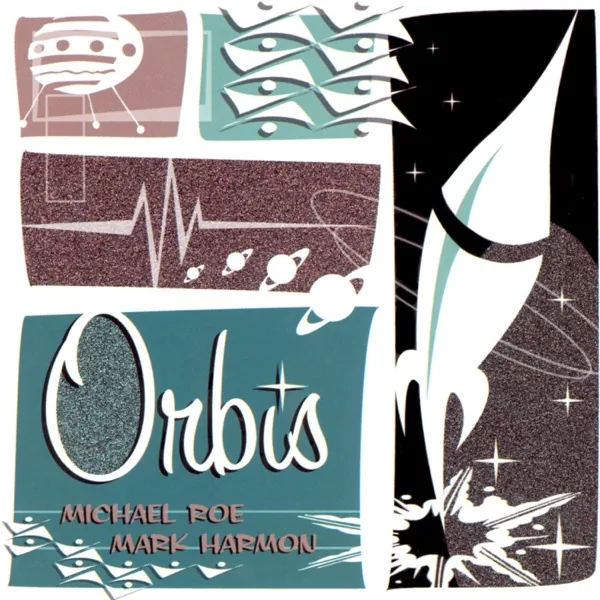 2002Michael Roe / Mark HarmonOrbis
More from Radiohead
 2001Amnesiac
 1998Airbag/How Am I Driving?
 2001I Might Be Wrong: Live Recordings
 1997OK Computer
 2003Hail to the Thief
 1994My Iron Lung