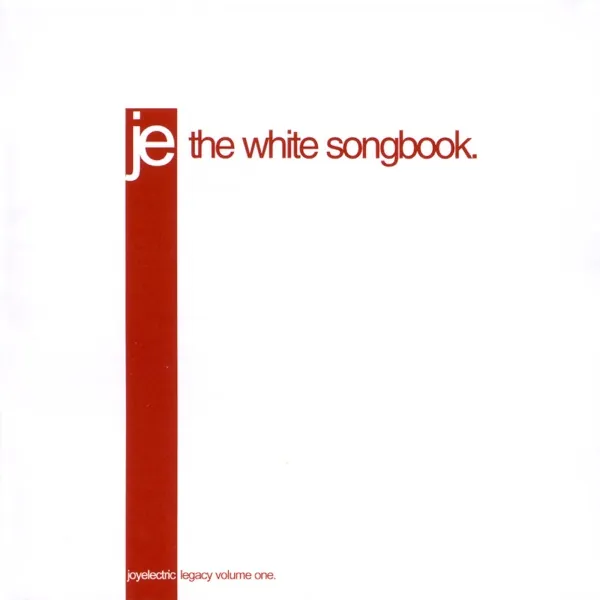
Reviewing Joy Electric's release presents a quandary. How much can I say without dulling the impact of the work, while still accomplishing the purpose of the review? This is a fine line that must be walked. The best way to sum up The White Songbook is as a "consummation."
Things hinted at and approached in earlier works reach their peak here. The complexity hinted at in unreleased tracks such as "Parlor Inventor" and "The Ice Parade at Dawn" is attained. The layered vocals used sparingly in CHRISTIANsongs are integral. The melancholy sadness that pervaded earlier releases becomes heartbreaking. The defiance that has been masked and contained overflows. This is not to say that any of these qualities are excessive or melodramatic. They are simply complete. Ronnie Martin has said that his focus is "progress without change," and this motto is not an empty homily. The White Songbook exemplifies this devotion.
But not all elements of the Joy Electric formula are carried to their logical conclusion. Some are modified or even dropped altogether. Gone is the candy fixation of earlier works, gone (for the most part) are the melancholy love songs, and gone are the Sunday school lyrics.
Before I even picked up The White Songbook, I knew it was different. The simplicity of Joy Electric's cover art is taken to the extreme here. Two color and completely text-based, the cover is only adorned by a single off-center red column. When I opened the liner notes and flipped through them, I noticed that most of the songs are longer than previous Joy Electric works, and the songs are not numbered. Instead, they're organized like a book, in keeping with the motif of the album. The lyrics are degrees of magnitude more dense and opaque than previous Joy Electric efforts.
But it is not until you actually begin to listen to the album that the full impact of the departure from previous albums hits you. The "book" begins with the title song, a preface, history, and manifesto all rolled into one. The music and vocals are equally haunting; the abridged lyrics crescendo as the music fades away. The rest of the chapter is intriguing, quiet and introspective. "Unicornicopia" gives a glimpse of the "old" Joy Electric, with visions of maple leaves and country fireplaces, but weaves a foreboding feeling into the work with lines like "you covered in plain clothes, sewing neat, careful designs, but what makes you so fearful?"
"Chapter 2: Hunter Green and Other Histories" contains the shortest songs of The White Songbook, but also the most defiant. The book finally let me take a breath when it reached Chapter 3. The poetic, melancholy song "Sing Once for Me," dedicated to Martin's wife and daughter, hearkens back to songs like "These Should Be the Good Times" and "The Golden Age." The last two full songs on the album contain the most opaque of the album's lyrics.
Like the best of books, The White Songbook left me with seemingly paradoxical feelings. It was complete, but yet I wanted more. And on continued readings and listenings, I will discover more about the author's feelings and intentions. The White Songbook is unquestionably the best Joy Electric release ever. Anyone who has any interest in listening to good music should buy this album. Even those who have joined the ranks of the Joy Electric mockers should listen to The White Songbook.
The White Songbook is so good that it seems to leave nothing to be said. I almost wonder, like Martin himself does at the end of the title song: "From here, where are we to go?"
Other coverage for this album
The Phantom Tollbooth September 2001Reviewed by Michial FarmerI initially praised Joy Electric's last new-material album, CHRISTIANsongs, but as the months and eventually years went by, I came to regret it. The synthesized punk songs began to feel more and more shallow, and with a few exceptions ("Disco For a Ride"), I didn't want to hear them anymore. I found myself longing for the richly dark songs from albums like Five Stars For Failure and We Are the…ReAL Magazine 2001Reviewed by David O.The White Songbook is Joy Electric's attempt at a theme record. Ronnie Martin, the chief composer/songwriter of the group wanted to create a sort of "soundtrack to a great work of Christian Literature," like The Chronicles of Narnia or The Lord of the Rings. This isn't hard to see, as the song titles are divided into chapters and marked by letters instead of numbers, and most of the songs have…Similar sounding releases
 2000Chicks on SpeedChicks on Speed Will Save Us All!
 2002PanicPanic
 2001Gentlemen of LeisureGentlemen of Leisure
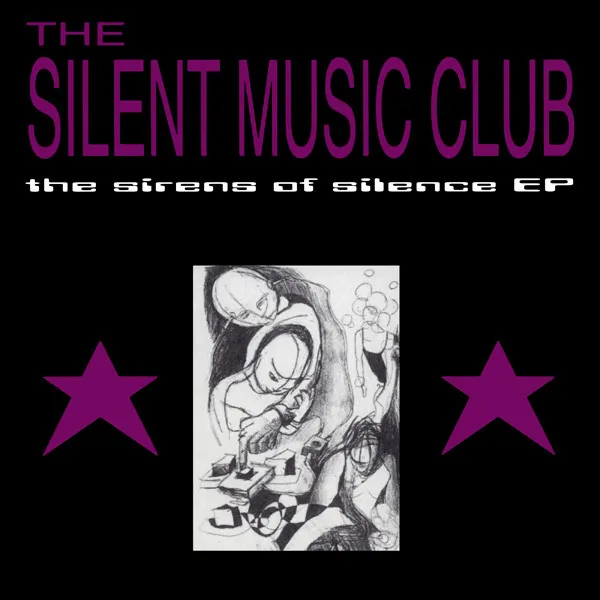 1999The Silent Music ClubThe Sirens of Silence EP
 2004TravelogueImaginary Hospitals
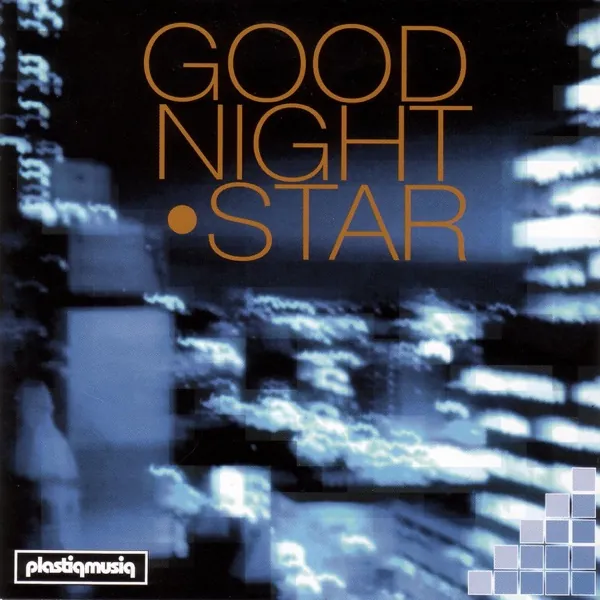 1999Goodnight StarGoodnight Star
More from Joy Electric
 1998The Land Of Misfits EP
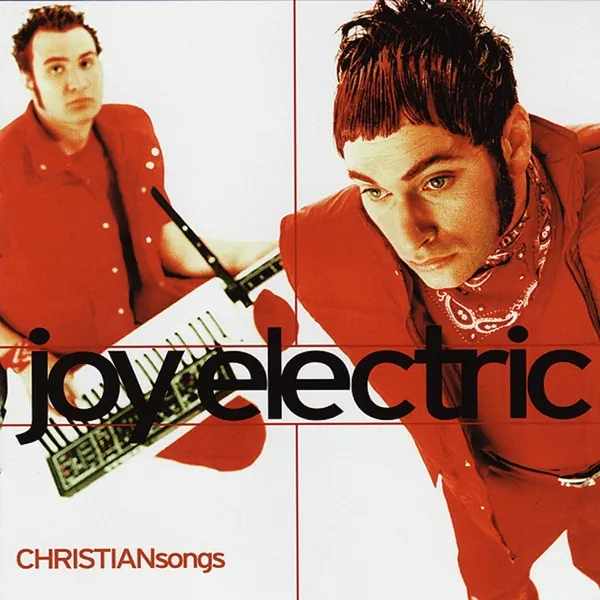 1999Christiansongs
 2002The Art and Craft of Popular Music
 1995Five Stars For Failure
 1997Old Wives Tales
 2000Unelectric