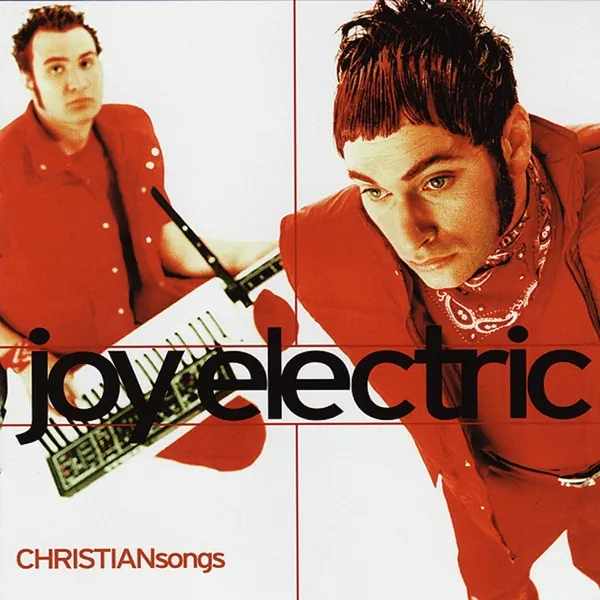
I initially praised Joy Electric's last new-material album, CHRISTIANsongs, but as the months and eventually years went by, I came to regret it. The synthesized punk songs began to feel more and more shallow, and with a few exceptions ("Disco For a Ride"), I didn't want to hear them anymore. I found myself longing for the richly dark songs from albums like Five Stars For Failure and We Are the Music Makers.
These appetites were satiated for awhile with JE's songs on compilation albums, as well as last year's novelty-greatest hits collection Unelectric, but still, when I heard Ronnie Martin was putting out a new Joy Electric album this year, I approached it with some trepidation.
This trepidation was undue. Martin has wisely ditched the sound that made up the bulk of both CHRISTIANsongs and its predecessor, Robot Rock. Instead, he's embellished the manic-depression-fairy-tale feel of his early records with (believe it or not) a progressive rock influence. The songs are more complex than ever before (despite being constructed with nothing other than monophonic, analog synthesizers), and many of the songs, far from the three-minute "sugar rushes" of Martin's last couple of records, pass the five-minute mark.
On the other hand, there are a few songs that mine the same vein as Robot Rock. "The New Pirate Traditional" is as close to the righteous indignation of punk rock as Martin has yet gotten, and "We Are Rock," with its fantastically dirty "bass" line, is his take on glam. These are pulled off wonderfully, far surpassing anything from Robot or CHRISTIANsongs.
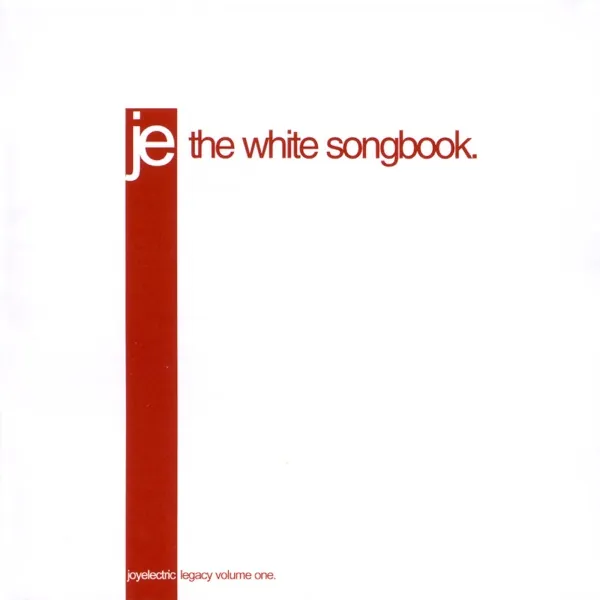
The album is divided into four sections, or "chapters." This works out very well, because just as one chapter is beginning to get old and to lose its luster, the next chapter comes along and begins the record anew. In addition, The White Songbook is the first installment in an Alarma Chronicles-esque three- or four-song set, one that apparently carries a storyline across all its volumes. It's somewhat hard to find the storyline in this record, but it will probably be made more clear with future albums.
Joy Electric had only hinted at their potential with past albums. The White Songbook cements their place as one of the most important bands in rock and roll (yes, rock and roll) today.
4.5 tocks
Other coverage for this album
Opus 2005Reviewed by Frederick K. GhansahReviewing Joy Electric's release presents a quandary. How much can I say without dulling the impact of the work, while still accomplishing the purpose of the review? This is a fine line that must be walked. The best way to sum up The White Songbook is as a "consummation." Things hinted at and approached in earlier works reach their peak here. The complexity hinted at in unreleased tracks such as…ReAL Magazine 2001Reviewed by David O.The White Songbook is Joy Electric's attempt at a theme record. Ronnie Martin, the chief composer/songwriter of the group wanted to create a sort of "soundtrack to a great work of Christian Literature," like The Chronicles of Narnia or The Lord of the Rings. This isn't hard to see, as the song titles are divided into chapters and marked by letters instead of numbers, and most of the songs have…Similar sounding releases
 2000Chicks on SpeedChicks on Speed Will Save Us All!
 2002PanicPanic
 2001Gentlemen of LeisureGentlemen of Leisure
 1999The Silent Music ClubThe Sirens of Silence EP
 2004TravelogueImaginary Hospitals
 1999Goodnight StarGoodnight Star