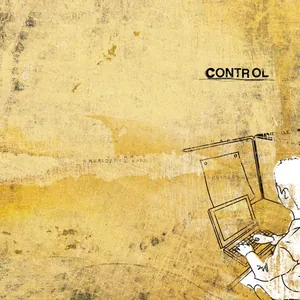
David Bazan was the driving force behind Pedro the Lion, a Seattle band described as indie/emo rock. Eventually, Pedro the Lion stripped down to Bazan and his guitar, but with Control, there is no sign of him stopping or slowing down.
But while Bazan might seem to Christian indie rock what Relient K is to punk, or Zao was to hardcore, Control contains exactly the kind of material that consumers of the CCM industry shy away from: adultery, hatred, murder, despair, and expletives. Regardless, Bazan is a Christian, and each of his albums have told the struggles between ordinary people, and between themselves and God. Whole told the story of a drug addict who found Christ; his previous album, Winners Never Quit, told the story of a self-righteous, good man, his alcoholic brother, and the road to heaven. Control, however, is harsher. This time, he tells the story not only of a corrupt and sinful man, but also of his family and society, who all attempt to disguise their wickedness with goodness. The situation Bazan has painted stands in harsh contrast to his previous CDs, but the harder sound, a new turn for Pedro the Lion, perfectly matches each song.
The story of Control begins with "Options," a song of an innocent and tranquil walk on the beach. The silence between the unnamed protagonist and his wife breaks, when he utters the frighteningly honest words:
I could never divorce you
Without a good reason.
And though I may never have to
It's good to have options.
But for now
I need you.
As it turns out, the husband has only imagined these words, it becomes clear at the end of the introductory song that their marriage is only superficial; neither of them fully trusts or loves the other.
The second song, "Rapture," vigorous and lively, clashes with the placid "Options," however, the situation is simply the infidelity "Options" placed in action. As it turns out, the husband is having sex with someone else. Indeed, his physical pleasure in adultery is so strong that he compares it to a heavenly rapture; the very title is a sort of perverted expletive. It is clear that the lives of these characters are based upon their own greed and selfishness, whose pleasure supersedes their own conscience and beliefs.
"Penetration" follows, as powerful as "Rapture," but appropriately with less emotion. In a sense, it is the selfishness of "Rapture" taken to the level of the people. The protagonist's job is simply based on success and money. Money is the goal, because that equals both power and pleasure in the lives of the people of Control.
"Indian Summer" and "Progress" cover the protagonist's family and its superficiality where the kids are happily swimming in the pool, and the moms lay tanning in the sun, as the former song describes. But inside the home, "Progress" reveals, the cheating father drinks, the mother nags, and the child, apparently taking on his parent's arrogance, boasts. Wealth and progress cannot prevent this; it only exacerbates the situation.
The sixth song, "Magazine," while having nothing to do directly with the plot of Control, sums up both the wickedness and arrogance of people, which causes them to disguise themselves as righteous and flawless members of the community.
I feel the darkness growing stronger
As you cram light down my throat.
Now how does that work out for you
In your holy quest to be above reproach.
Wouldn't you love to be
On the cover of a magazine.
Healthy skin, perfect teeth
Designed to hide what lies beneath
The angry "Rehearsal" uncovers the protagonist's wife's anger and hatred when she finds out about her husband's affair. But instead of forgiving him, she decides to exact her revenge. Meanwhile, as the droning and crushing "Second Best" reveals, the husband's passion with adultery has faded; the sex has now become meaningless and cold, but he continues, deciding to settle for what is second best.
Control climaxes with "Priests and Paramedics." The wife has stabbed the husband. The paramedics keep up the pretense of life, lying to the dying husband that he will live, on the way to the hospital. But at his funeral, the pretense completely fades, even the priest loses his faith. Instead of giving a eulogy, he says to the crowd:
You're gonna die
We're all gonna die.
Could be twenty years, could be tonight
And lately I have been wondering why
We go to so much trouble
To postpone the unavoidable
And prolong the pain of being alive.
Such nihilism may seem very disturbing, even in the context of Control, but this kind of despair only goes to show what the actions of the protagonist and his wife have resulted in: misery and hopelessness. The song concludes with "Rejoice" perhaps a recording of the last thoughts of the protagonist:
But everything is so meaningful
And most everything turns to shit.
Rejoice.
So what is a person, Christian, agnostic, atheist to say about Control? The listener may be inclined to point fingers at the people that Bazan has described: adulterers, corporate businessmen, and modern Pharisees. But Control also serves as a mirror to our own modern lives, even, no, especially those of Christians. How many times has the church acted righteous and holy, while cramming light down others' throats? But beyond that, how many times have our relationships, marital, spiritual, or otherwise, faltered? How many times have we considered retributive sin in the place of forgiveness and compassion? How many times have Christians placed their own desires or despair ahead of Christ?
Unlike many Christian albums, Control doesn't place Christ or anything else as a simple answer that fits like a glove. Instead, this story lets the listener look inside, and see that one can go through a day without sin, as the characters described in "Magazine" might attempt to do. Likewise, with our inevitable sins and falls from grace, life is full of the consequences shown in Control, unless there is some sort of grace or redemption.
One might conclude that such insightful lyrics make Control a must-have. However, Pedro the Lion, while competent, is not necessarily at the top of the indie/emo rock list. For those who are simply looking for something decent to listen to while working or driving, Control is probably not the ideal album; indeed, the variation between each song might be a bit uncomfortable, and Christian listeners may find the expletives and sexual references offensive. Furthermore, fans of previous Pedro the Lion CDs may find Control's new sound surprising. Still, for those who are willing to listen to Bazan's lyrics, or for those who appreciate David Bazan's musical stories, will find Control rewarding.
4 tocks
Other coverage for this album
Decapolis March 2002Reviewed by Scott HatchWhile billed as a departure from the standard Pedro the Lion format, Control basically carries on in the same manner as the traditional cannon. Granted, the drum beats are increasingly complicated, there are more keyboard parts, and the album more fully rocks out than previous efforts. The influence of Bedhead's Transaction de Novo is still present, but much less than on It's Hard to Find a…Decapolis March 2002Reviewed by Matt ModrichThis is probably one of the most depressing albums of the year. It's even darker than David Bazan's 2000 release "Winners Never Quit." Which is surprising considering that album was about a political candidate who bought his way into office and killed his wife because she was going to rat him out. His latest project "Control" tells the story of a man who has an affair and is later killed by his…ReAL Magazine 2002Reviewed by Jeremy KeillorLyrically this is the edgiest CD by a "Christian" band. Ten songs tell of a marriage gone wrong. Always the enemy of easy answers David Bazan leaves the listener with the lines, "wouldn't it be wonderful if everything were meaningless but everything is so meaningful and most everything turns to s***" Musically there is a tougher rock sound with hints of punk on a couple songs. My opinion: get…The Phantom Tollbooth 2002Reviewed by Trae CadenheadFrom listening to all the previous Pedro the Lion albums, I can make a few characterizations about the music that singer/lyricist/guitarist Dave Bazan makes: it sounds just right, it does a masterful job of storytelling, and it is controversial. The new album Control lives up to all of these standards to an even higher degree than any previous Pedro the Lion CD. For those who have missed out on…Opus 2002Reviewed by Jason MoreheadWhen I think of Pedro The Lion, two words come to mind... Thomas Kinkade, the so-called "Painter Of Light™." His paintings are idyllic little settings that usually involve a lighthouse, small cottage, or gazebo set in a perpetual springtime where it's always Sunday morning. There's usually a pond or creek nearby, and gardens just bursting into bloom. Everything is bathed in a soft, tranquil…Similar sounding releases
 2002...And You Will Know Us by the Trail of DeadSource Tags and Codes
 1998DumpsterSee Through Me
 2003LoghThe Raging Sun
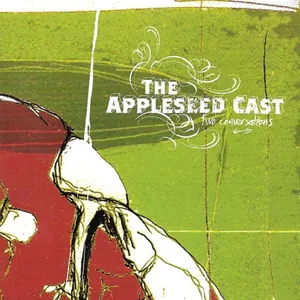 2003The Appleseed CastTwo Conversations
 2002EeFor 100 We Try Harder
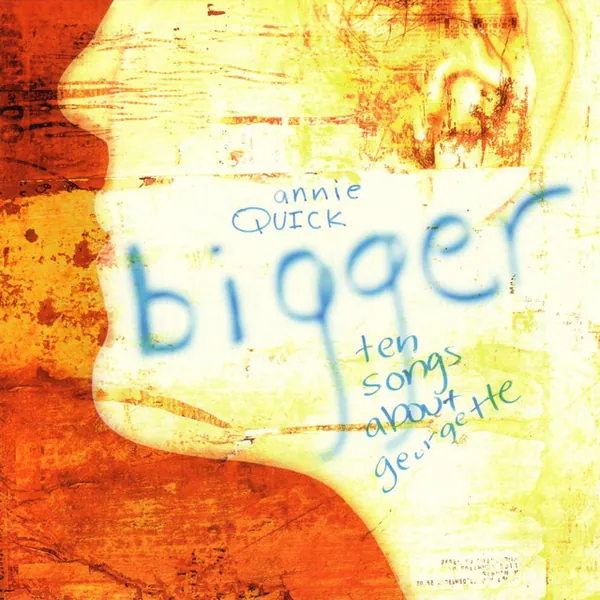 Annie QuickBigger
More from Pedro the Lion
 2004Achilles Heel
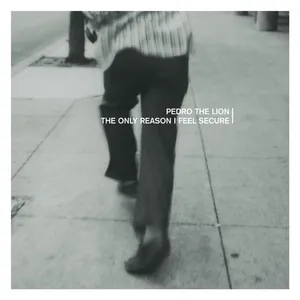 1999The Only Reason I Feel Secure
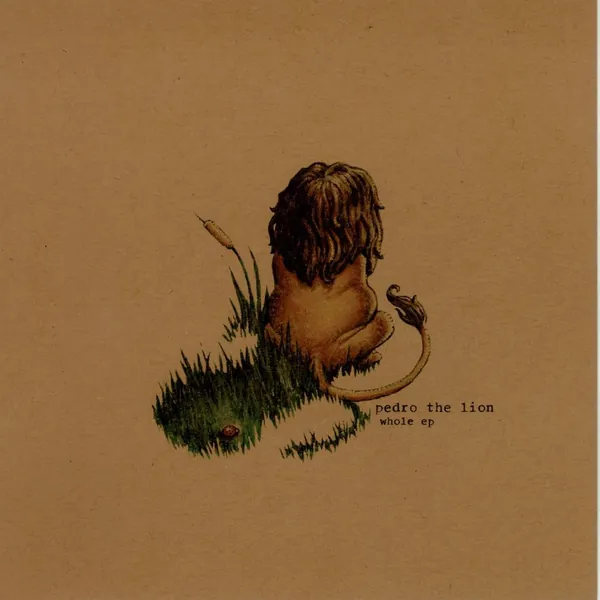 1997Whole EP
 1998It's Hard to Find a Friend
 2000Winners Never Quit
 2000Progress