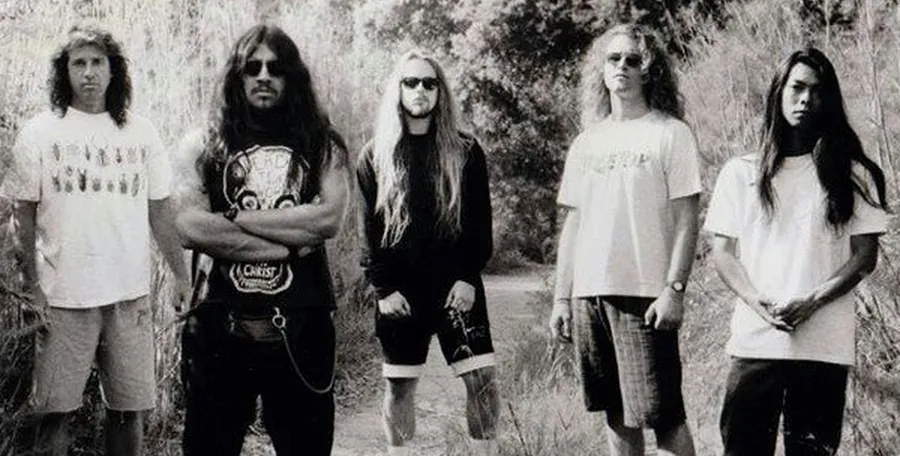
Tourniquet
Los Angeles, California27 reviews across 13 releases
Formed in Los Angeles in the late 1980s, Tourniquet played Christian metal built from technical thrash, speed metal and progressive structures. Drummer Ted Kirkpatrick wrote most of the material, filling the songs with rapid changes, classical references and highly detailed percussion. Guy Ritter's piercing, high-register vocals gave the first three albums an especially severe edge, while the lyrics used medical language to address spiritual failure, animal abuse and social neglect. Stop the Bleeding established the approach, and Psycho Surgery expanded it with more intricate playing and broader subject matter. Pathogenic Ocular Dissonance pushed the method further, using long forms, unusual vocal exchanges and titles drawn from medical terminology. The band could be unusually specific: one song addressed throat cancer through the recorded voice of a patient who used an electronic voicebox.
Ritter left after the recording of Pathogenic Ocular Dissonance in 1993, and Luke Easter became Tourniquet's lead vocalist. Vanishing Lessons followed in 1994 with a less uniformly aggressive sound, adding melodic songs about elderly neglect and family responsibility without abandoning the band's heavier material. Gary Lenaire departed in 1996, while Aaron Guerra became an important guitarist during the same period. Crawl to China continued the movement toward acoustic folk and arena rock, but Microscopic View of a Telescopic Realm returned to dense thrash in 2000. After Where Moth And Rust Destroy in 2003, the band worked sporadically before releasing Antiseptic Bloodbath in 2012. Easter left in 2015. Kirkpatrick died in 2022, and Guerra said Tourniquet would not continue. Former members later reunited for tribute performances, reviving the name in 2025.
13 releases reviewed
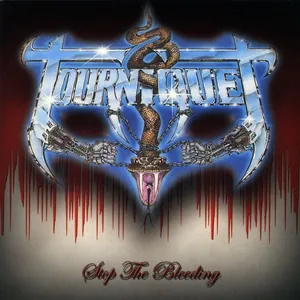
Stop the Bleeding
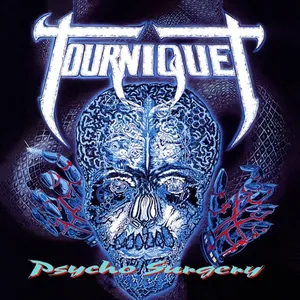
Psycho Surgery
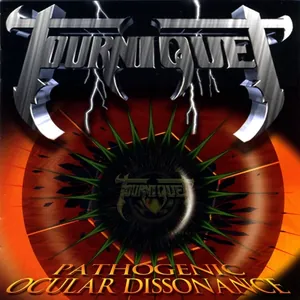
Pathogenic Ocular Dissonance
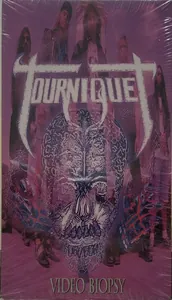
Video Biopsy (Video)
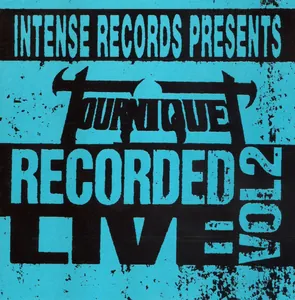
Intense Live Series, Vol. 2
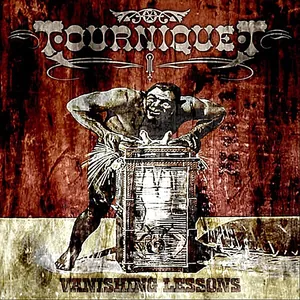
Vanishing Lessons
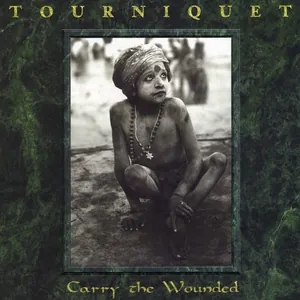
Carry The Wounded
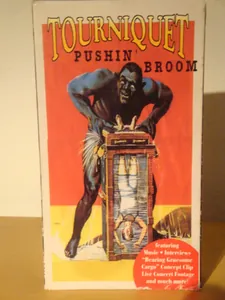
Pushin' Broom (Video)
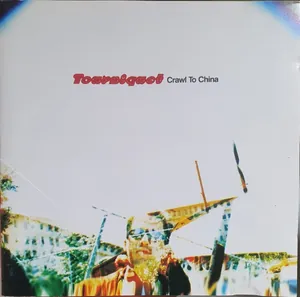
Crawl to China
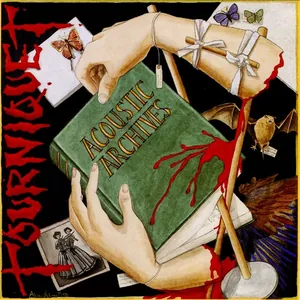
Acoustic Archives
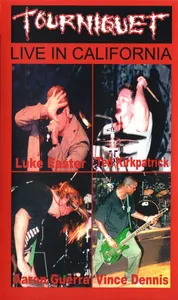
Live in California
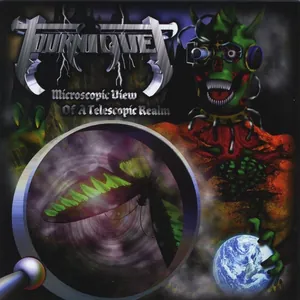
Microscopic View of a Telescopic Realm
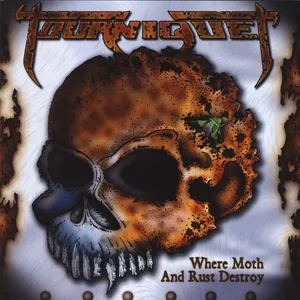
Where Moth And Rust Destroy